How Assumable Loans Work for a Buyer
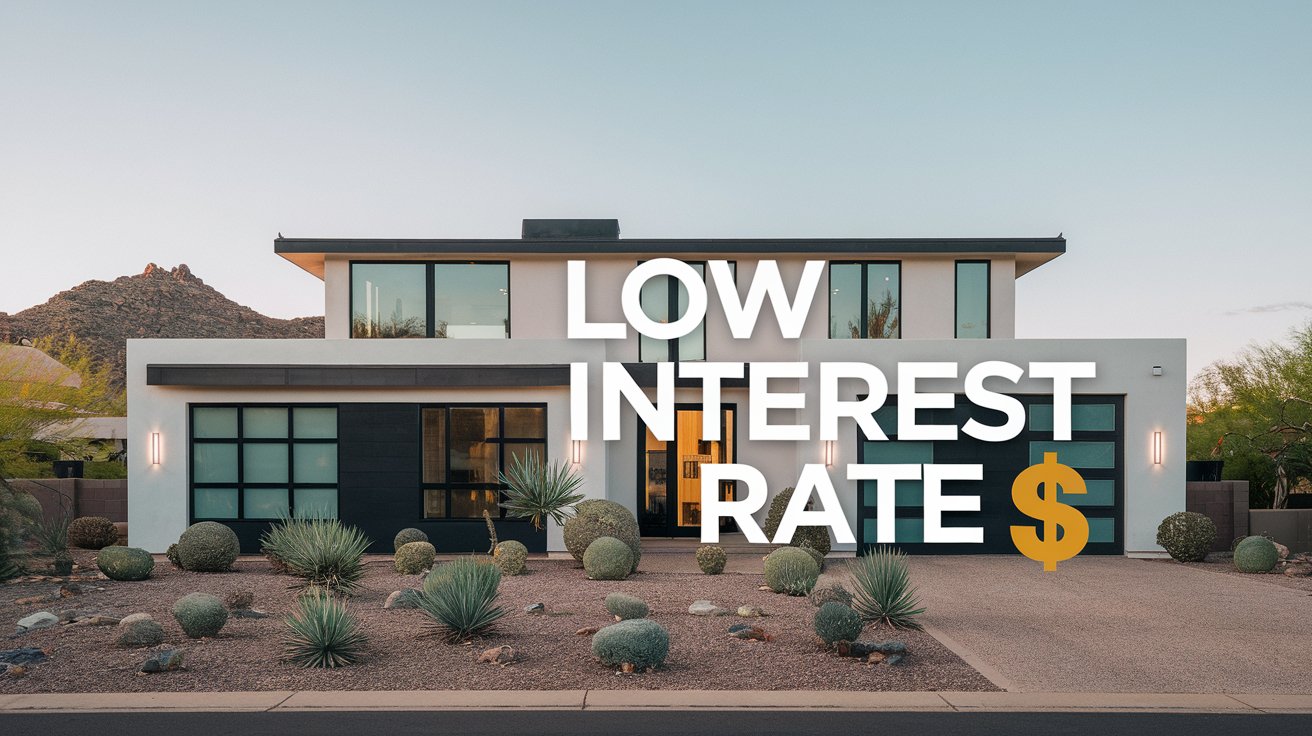
If you're looking to purchase a home with an assumable loan, you're essentially taking over the seller's existing mortgage—keeping their interest rate, loan balance, and repayment terms intact. This can be a great opportunity if the seller has a much lower interest rate than what's currently available.
Step 1: Determine if the Loan is Assumable
Not all loans are assumable. Typically, government-backed loans like:
- FHA loans
- VA loans (with restrictions for non-military buyers)
- USDA loans
are assumable, while conventional loans usually are not.
Step 2: Buyer Must Qualify for the Loan
You must qualify under the lender’s guidelines, just like with a new mortgage. The lender will check:
- Your credit score and debt-to-income ratio (DTI)
- Employment and income verification
- Payment of an assumption fee (ranging from a few hundred to a few thousand dollars)
Step 3: Covering the Difference Between Loan Balance and Purchase Price
One of the biggest challenges for buyers assuming a loan is the difference between the seller’s loan balance and the home’s purchase price.
Example Scenario:
- Seller’s loan balance: $250,000
- Purchase price: $400,000
- Difference to cover: $150,000
You can cover this gap using:
Option 1: Pay Cash
If you have enough savings, you can pay the difference in cash.
Option 2: Get a Second Mortgage or HELOC
If you don’t have enough cash, you may finance the gap by:
- Taking out a second mortgage
- Using a HELOC (Home Equity Line of Credit)
- Negotiating seller financing
Step 4: Closing the Deal
Once approved, you go through the closing process, where:
- The seller’s loan gets transferred to your name
- You pay or finance the loan balance difference
- The title transfers to you, and you begin making payments
Advantages of Assuming a Loan
- Lower Interest Rate: Can save thousands over time
- Lower Closing Costs: Fewer lender fees
- Faster Equity Growth: Smaller loan at a lower rate
Challenges of Assuming a Loan
- Large Cash Requirement: Must cover the price gap
- Limited Availability: Not all sellers have assumable loans
- VA Loan Restrictions: Seller loses VA entitlement unless assumed by another veteran
Is an Assumable Loan Right for You?
Assumable loans can be a great way to lock in a lower interest rate, but you need a strategy for covering the price gap. If you have cash or can finance the difference at a reasonable rate, this could be a great financial move.
Need help evaluating an assumable loan? Let’s chat!